
Why is it harder to lose weight after 30 is something I personally struggled to understand for a long time. I was eating almost the same food, doing some walking, and still the scale refused to move. What confused me more was that the same habits worked perfectly in my 20s.
Over time, I realized my body had changed. Not in a bad way just in a way that needed a smarter and kinder approach. Below are 5 simple reasons why is it harder to lose weight after 30, explained in very easy language, with real solutions that actually work.
1. Your metabolism becomes slower :

After 30, your body does not burn calories as fast as before. This is one of the biggest reasons why is it harder to lose weight after 30.
Earlier, I could eat extra on weekends and fix it in a few days. After 30, that same habit started showing on my waistline.
What happens
The body needs fewer calories
Extra food gets stored more easily
Weight gain happens slowly but steadily
Simple solution
Eat regular meals instead of skipping
Focus on home-cooked, balanced food
Reduce portion size slightly, not drastically
Avoid eating late at night
How Mytolin Supports Metabolism
When I started understanding my metabolism better, I realized that healthy food and movement were the base. But I also noticed that after 30, my body sometimes needed a little extra support.
Mytolin is often used to support metabolism and daily energy, especially when the metabolic rate slows with age. It is not a quick fix or a replacement for healthy habits. Instead, it works best when combined with balanced meals, regular movement, and good sleep.
Think of it as gentle support for your metabolism, not a shortcut.
2. Muscle mass slowly reduces :
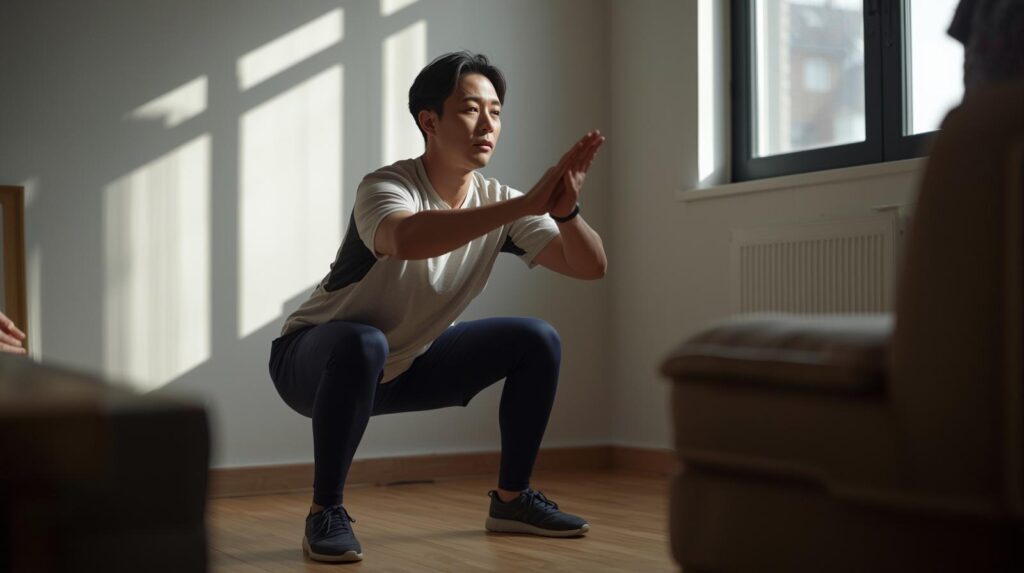
Muscle helps burn calories even when you are resting. After 30, muscle mass naturally decreases if you are not active. This is another strong reason why is it harder to lose weight after 30.
I noticed I was moving less because of work and long sitting hours. That alone made a big difference.
What happens
Less muscle means fewer calories burned
Body fat increases even without overeating
Weight feels “stuck”
Simple solution
Add some movement every day
Do light strength exercises 2 to 3 times a week
Walk more whenever possible
Stretch in the morning or evening
You do not need a gym. Consistency matters more.
3. Hormones start playing a bigger role :

Hormones control hunger, fat storage, sleep, and stress. After 30, hormonal changes begin to affect weight more clearly. This explains why is it harder to lose weight after 30 even when effort feels the same.
I personally noticed more cravings when I was stressed or tired, not when I was actually hungry.
What happens
Stress hormones increase fat storage
Hunger hormones get disturbed
Energy levels go up and down
Simple solution
Sleep at least 7 hours daily
Eat meals on time
Do not follow extreme diets
Take short breaks to relax during the day
A calm routine helps weight loss more than strict rules.
4. Stress and poor sleep slow everything down :

Life after 30 brings work pressure, family duties, and constant screen time. Stress and poor sleep are silent reasons why is it harder to lose weight after 30.
I realized that on days I slept poorly, I craved more sugar and felt too tired to move.
What happens
Stress increases belly fat
Poor sleep increases hunger
Motivation drops
Simple solution
Fix a regular sleep schedule
Avoid screens before bedtime
Take short evening walks
Practice deep breathing or quiet time
Rest is not laziness. It supports fat loss.
5. Old dieting methods stop working :
Crash diets, skipping meals, and extreme calorie cuts may work in your 20s, but after 30 they usually backfire. This is a major reason why is it harder to lose weight after 30.
I tried eating very little, thinking it would speed things up. Instead, I felt tired, irritable, and stuck.
What happens
Body goes into survival mode
Metabolism slows further
Weight loss stops
Simple solution
Stop chasing quick fixes
Eat enough protein to stay full
Choose simple meals you can maintain
Focus on long-term habits
Slow progress is better than no progress.
FAQs :
1. Why is it harder to lose weight after 30 even if I eat less?
Because metabolism slows and muscle mass reduces. Eating too little can further slow your metabolism and stop fat loss.
2. Can I lose weight after 30 without intense workouts?
Yes. Walking, light strength training, and daily movement are enough when done consistently.
3. How long does weight loss take after 30?
Weight loss is slower but more stable. Expect steady progress over weeks, not quick changes in days.
4. Is belly fat harder to lose after 30?
Yes. Stress and hormonal changes make belly fat more stubborn, but good sleep and stress control help.
5. Do I need to give up my favorite foods after 30?
No. Balance matters more than restriction. Portion control and regular meals work better than cutting foods completely.
Final Thoughts :
Why is it harder to lose weight after 30 is not about failure or lack of discipline. It is about understanding how your body changes with time.
Your body now needs:
Better sleep
Regular meals
Gentle movement
Less stress
More patience
I learned that small daily habits mattered more than extreme efforts. Simple choices, like adding supportive routines such as natural fat burning drinks for weight loss or understanding my body better using a BMI calculator guide, helped me stay consistent without pressure.
When I stopped fighting my body and started supporting it, weight loss slowly became possible again.
After 30, weight loss is not about doing more.
It is about doing what actually works for this phase of life.
1 thought on “Why Is It Harder to Lose Weight After 30?”