
Sleep and weight loss were never linked in my mind when I first tried to lose weight. I believed weight loss was only about eating less and moving more, so I tried hard. I controlled my food and stayed active, but my progress was slow and frustrating. What I did not understand then was that my body was tired, and a tired body does not want to lose weight. Only when I fixed my sleep did things begin to change, and I realized that weight loss becomes easier when the body feels rested, supported, and safe enough to let go.
1. Poor Sleep Makes Weight Loss Feel Impossible :
A stressed body focuses on survival, not fat loss. When sleep is poor, the body tries to protect itself by saving energy and storing fat, especially around the belly. This is why weight loss can feel difficult even when you are eating well and staying active. Your body is not working against you. It is responding to exhaustion.
I noticed this clearly in daily life:
I felt hungry soon after eating
I craved sugar and packaged snacks
I felt tired and easily irritated
My motivation and focus dropped
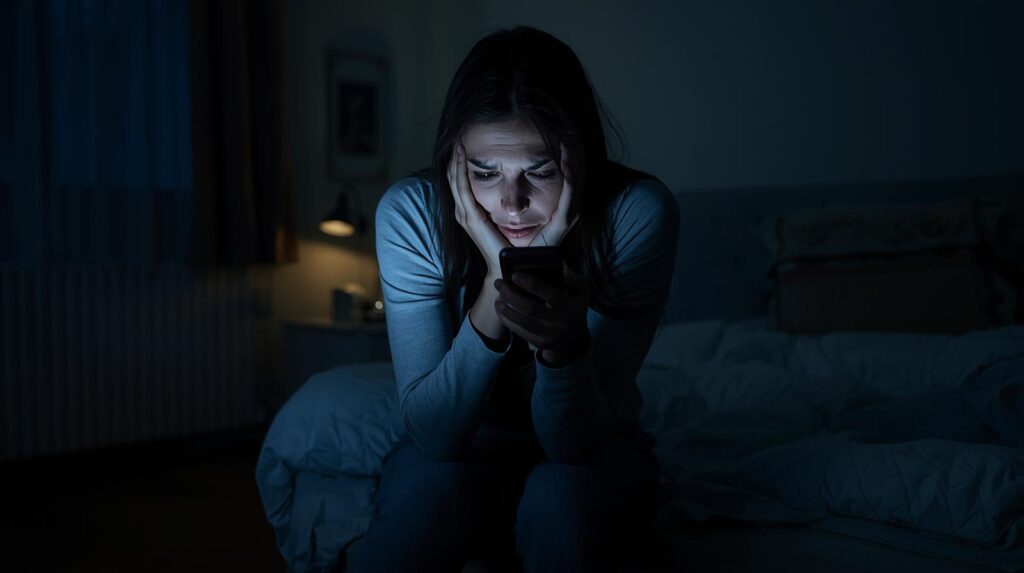
Trying harder did not help. What helped was understanding that my body needed rest, not more pressure. That was when I truly understood the real connection between sleep and weight loss.
2. Bad Sleep Increases Hunger and Cravings :
After a bad night’s sleep, hunger feels different.
You are not hungry because your body needs food.
You are hungry because your body needs rest.
Poor sleep:
Increases cravings for quick energy foods
Makes it harder to feel full
Confuses hunger signals

Once I started sleeping better, my appetite felt calmer. I ate normal meals and felt satisfied. I did not need constant snacks anymore.
This is why sleep and weight loss should always be addressed together.
3. Late Nights Quietly Slow Progress :
Late nights may seem harmless, but they slowly affect weight loss.
They often lead to:
Late dinners
Night-time snacking
More screen exposure
Less recovery time for the body
I did not change my food first.
I changed my bedtime.
At first, it felt like a small shift, but it made a big difference. My sleep became deeper, my digestion felt better, and my energy during the day improved. Going to bed earlier made my evenings calmer and my mornings lighter, and my body finally had the time it needed to recover.
4. Better Sleep Makes Healthy Choices Easier:
When sleep improved, I did not force better habits. They happened naturally.
I noticed:
Fewer cravings
Better energy during the day
Improved mood
More patience with myself

Along with better sleep, supporting my metabolism also made a difference. Gentle support like Mitolyn, when combined with proper rest and regular meals, helped my body feel more energized instead of drained. It did not feel like a push, but like support.
This is the quiet power of improving sleep and weight loss together when the body is rested and supported, change feels natural.
5. Weight Loss Begins with Rest, Not Pressure :
The biggest lesson I learned is simple.
Before cutting calories or adding harder workouts, look at your sleep.
Ask yourself:
Am I resting enough?
Am I giving my body time to recover?
Sleep and weight loss work best when the body feels supported, not pressured.
Start small:
Sleep a little earlier
Put the phone away at night
Let your body rest
Sometimes, the first step to weight loss is not doing more. It is resting better.
FAQs :
1. Can lack of sleep stop weight loss?
Yes. Poor sleep keeps your body stressed, which makes fat loss difficult even if you eat well and exercise. Over time, this stress slows progress.
2. How much sleep helps with weight loss?
Most adults need 7–8 hours of good-quality sleep. Consistent sleep supports steady energy and better appetite control.
3. Why do I crave junk food after bad sleep?
When you are tired, your body looks for quick energy. This often leads to sugar and snack cravings. It is a natural response to low energy.
4. Can better sleep really make weight loss easier?
Yes. Good sleep helps control hunger, improves mood, and makes healthy choices feel easier. You feel more balanced throughout the day.
5. What is the easiest sleep habit to start with?
Go to bed at the same time every night. A regular sleep schedule helps your body reset and recover. Small consistency brings big results
Final Thoughts :
Weight loss does not always struggle because of food or exercise. Many times, it struggles because the body is tired. If progress feels slow, do not rush to do more. Pause and look at your sleep. As explained in this guide on why it is harder to lose weight after 30, changes in the body make rest even more important with age. A rested body thinks more clearly, manages hunger better, and moves with less effort. Understanding your body’s real needs using a simple nutrition calculator for daily calorie needs can also remove guesswork and pressure. Sleep and weight loss work best when the body feels supported, not forced. Sometimes, the most powerful step forward is simply allowing yourself to rest.