
How to manage stress is something most of us think about only when life starts feeling overwhelming.
If you are searching for how to manage stress in a calm, realistic, and everyday way, this blog is for you.
Stress is not always caused by one big problem. Most of the time, it grows slowly from daily pressure. Work, family, finances, health, responsibilities, and expectations all add up. We keep moving, keep adjusting, and forget to pause and ask ourselves how we are really doing.
This blog is not about removing stress completely. It is about learning how to live with it in a healthier way. It focuses on small changes that fit into real life, not perfect routines that are hard to follow.
Stress often hides in normal routines :

Stress does not always look serious. Sometimes it looks very ordinary.
You might notice:
Feeling tired even after sleeping
Feeling rushed all day for no clear reason
Getting irritated over small things
Constant thinking that never fully stops
For example, you may be sitting with your family, but your mind is still at work. Your body is present, but your thoughts are not. This is stress quietly working in the background.
Understanding how to manage stress starts with noticing these small signs instead of ignoring them.
A common situation many people relate to :
Imagine this.
Your day has been long. Meetings, calls, chores, responsibilities. By evening, your energy is gone. Someone asks you a simple question, and you respond sharply. Later, you feel bad about it.
This is not because you are rude or impatient. This is accumulated stress.
Stress builds when it has no release. Managing stress means catching it early, before it spills into your words and actions. When you start noticing the early signs, you give yourself a chance to pause. That pause can change how the rest of your evening feels.
I learned stress is not a personal failure :
For a long time, I believed stress meant I was not strong enough. I thought successful people handled everything easily. So I kept pushing myself.
I ignored signs like poor sleep, overthinking, and constant fatigue. Over time, my body forced me to slow down.
That is when I realized:
Stress is not weakness
Stress is a signal
My body was asking for care
Once I accepted this, learning how to manage stress felt more gentle and realistic.
Breathing slowly calms the body fast :
When stress rises, breathing becomes shallow. Your body stays in alert mode.
One simple habit helped me immediately:
Sit comfortably
Breathe in slowly through your nose
Breathe out slowly through your mouth
Continue for 2–3 minutes
This is not meditation or anything complicated. It is basic nervous system support. Slow breathing tells your body it is safe. This is one of the easiest ways to practice how to manage stress during a busy day.
Doing less reduced my stress more than doing more :

I used to fill my day with tasks, thinking productivity would bring peace. It never did.
What actually helped:
Choosing fewer tasks each day
Accepting unfinished work
Leaving space between activities
For example, instead of planning the entire week perfectly, I focused only on today. Instead of saying yes to everything, I chose what truly mattered.
Managing stress often means simplifying life, not perfecting it. When your days become lighter, your mind follows. You start feeling more present, less rushed, and more in control of your energy instead of being drained by constant pressure.
Food and stress are closely connected :
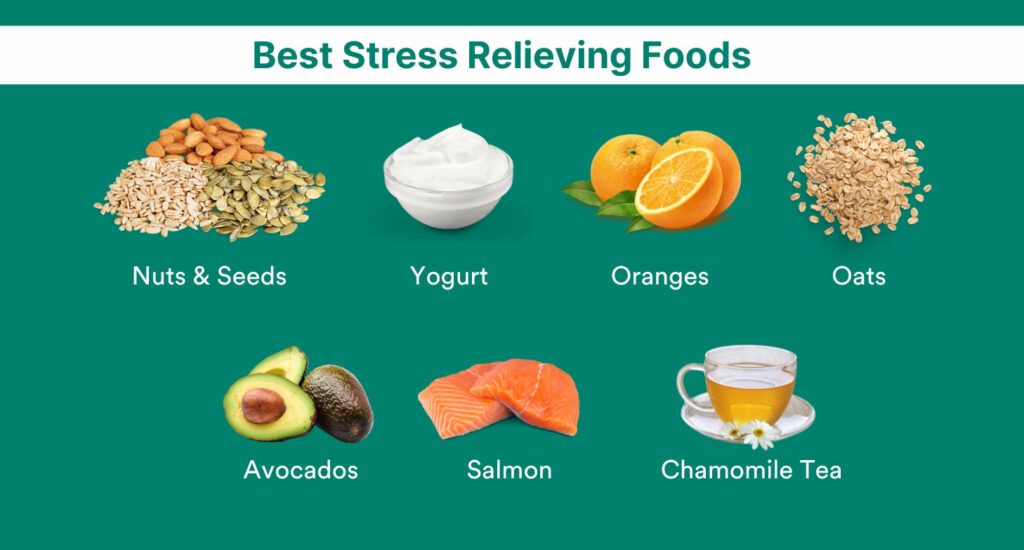
When stress increases, eating habits often suffer.
Skipping meals or eating in a rush can cause:
Low energy
Mood swings
Poor focus
Increased cravings
Simple food habits that support stress balance include:
Eating meals on time
Including protein in meals
Drinking enough water
Reducing excess caffeine
For example, a balanced breakfast can prevent afternoon irritability and sudden energy crashes. Some people also find that gentle metabolic support, such as Mitolyn, fits well into their routine when stress affects energy and appetite. Supporting your body through food and small daily habits is a practical part of how to manage stress that many people often overlook.
Care for your body with gentle movement and rest :
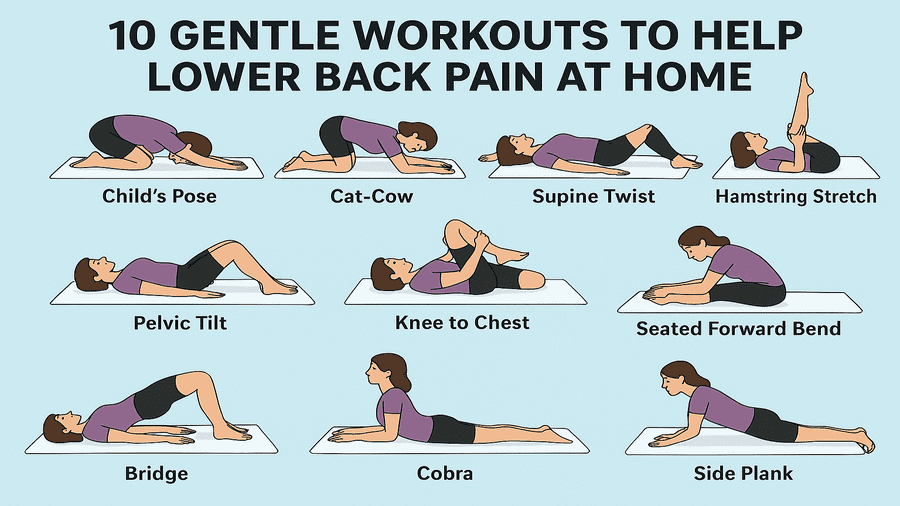
Stress does not live only in the mind. It settles in the body too. You may feel it as tight shoulders, a stiff neck, a heavy chest, or a tired lower back. Gentle movement helps release this stored tension and brings the body back to ease.
Helpful ways to move include:
Walking outdoors
Light stretching
Slow yoga
Simple mobility exercises
You do not need intense workouts. Even a short walk can help your body reset. Along with movement, good sleep makes stress easier to handle. Going to bed at a similar time, reducing screen use before sleep, and writing worries down instead of replaying them can make a big difference. Sleep does not remove stress completely, but it gives your body the strength to handle it better. Rest is a strong foundation for long-term stress management.
Support your mind through kinder thoughts and connection :
Stress often grows because of the way we talk to ourselves. Harsh inner thoughts quietly add pressure and make situations feel heavier than they are.
Common stress-creating thoughts:
“I should be doing more”
“I am falling behind”
“Others handle this better”
Gentler thoughts that reduce stress:
“I am doing what I can today”
“It is okay to slow down”
“I do not need to be perfect”
Connection also plays an important role in easing stress. Carrying everything alone makes it feel heavier.
Simple ways to stay connected:
A short call or message to a friend
Sitting quietly with family without distractions
Saying honestly, “Today was hard”
These small shifts in thinking and connection help create emotional safety. They remind you that you are supported, which is an essential part of how to manage stress in everyday life.
Final thoughts :
Learning how to manage stress does not mean being calm all the time. It means responding with care when life feels overwhelming instead of pushing yourself harder.
You do not need to change everything at once. Small steps matter more than big plans. A slow breath, a short pause, or one kind choice for your body or mind can quietly shift how the day feels.
Simple actions that often help:
Taking one deep breath before reacting
Giving yourself permission to slow down
Choosing habits that support your energy
Supporting your body through gentle movement and the right kind of activity can also make stress easier to handle. When you understand what works for beginners and does not overload your system, staying active feels less stressful. You may find this beginner-friendly guide helpful:
https://nutrevocare.com/best-pre-workout-for-beginners/
Stress may visit your life, but it does not have to control it. When you respond with awareness instead of pressure, calm slowly finds its way back.
1 thought on “How to Manage Stress in Everyday Life Without Feeling Overwhelmed”